The Long Middle

When the Death Was Sudden: Why Unexpected Loss Grieves Differently
When a death comes without warning, grief arrives tangled with trauma. That combination behaves differently and often needs the trauma addressed before the grieving can proceed.

What to Say to Someone Who Is Grieving (and What to Stop Saying)
Most people go quiet around grief because they are afraid of getting it wrong. Silence is the thing bereaved people report as most painful. Here is what to say, what to stop saying, and what to do instead.
Grieving Someone Who Is Still Alive: Estrangement, Dementia and Ambiguous Loss
Some losses have no death and no ending. Estrangement, dementia and addiction produce grief without a funeral, and without any social permission to feel it. Here is what ambiguous loss is and what helps.
Why the Second Year Is Often Harder: Grief After Everyone Else Has Moved On
Almost nobody is warned that the second year can be worse than the first. Here is why it happens, what it is not, and what helps when the casseroles have stopped and the grief has not.

Going Back to Work While Grieving: What to Say, What to Ask For, and What Nobody Warns You About
Most bereavement leave runs out long before the grief does. Here is what to say to your manager, what accommodations are reasonable to ask for, and how to handle the moments at work nobody prepares you for.

Why We Don't Take Insurance: What Private-Pay Actually Buys You
Private pay means no diagnosis on your permanent record, no session limits, and no insurer deciding when treatment ends. The tradeoff is real cost. Here is both sides of it.
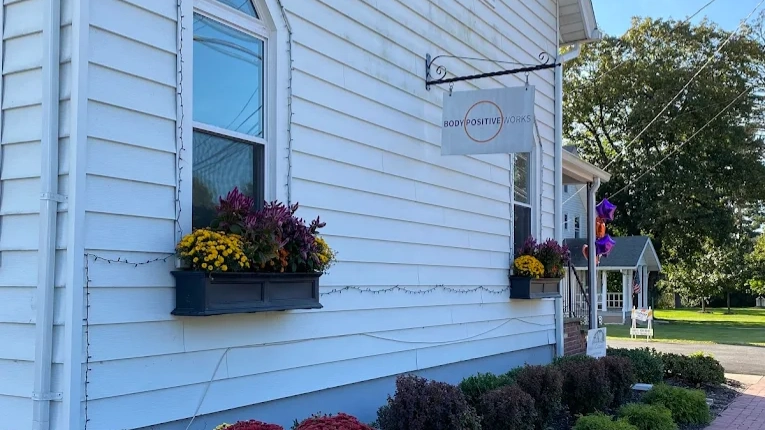
Grief Counseling Near You in Bergen County: A Town-by-Town Guide to Getting Started
Most Bergen County towns are a short drive from our Saddle River office. Here is what the trip actually looks like from where you live, when telehealth is the better call, and what to ask before you book anywhere.

After a Suicide: Grief With an Unanswerable Question
Suicide loss carries features other grief does not: the unanswerable why, the stigma, and often trauma alongside the bereavement. Support that understands this exists.

When You and Your Partner Grieve Differently
One of you wants to talk, the other goes quiet. Grief mismatch strains most couples after a loss, and it is not a measure of who cared more.

The Anger Nobody Warns You About in Grief
Grief anger is common, rarely discussed, and often aimed at the person who died. Here is why it happens and what to do with it.