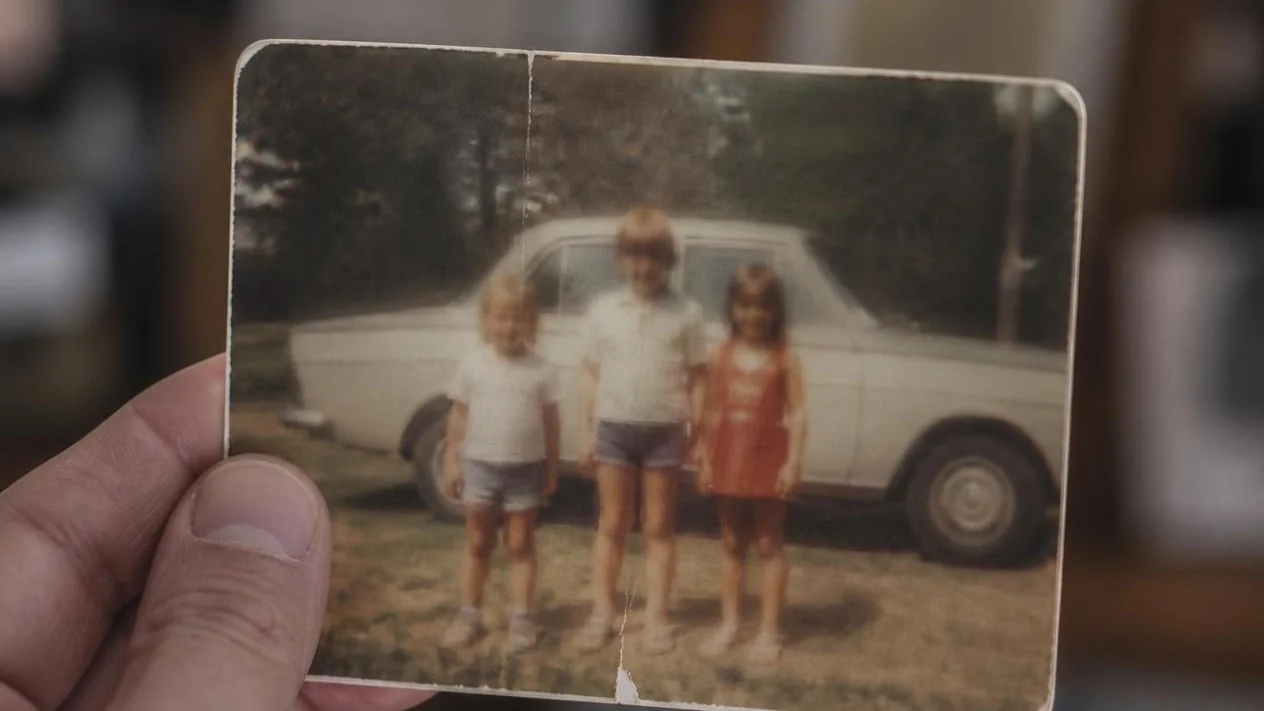
At the funeral, people came up to you all day and asked how your parents were holding up.
Some asked about the spouse. Some asked about the children. Almost nobody asked about you, and the few who did were asking so you could report on everyone else.
Bereaved siblings are sometimes called the forgotten mourners, and the term is accurate enough that most people who hear it recognize themselves immediately.
If you are in crisis right now, call or text 988 to reach the Suicide & Crisis Lifeline.
Sibling grief is routinely overlooked because attention flows to parents, spouses, and children. Bereaved siblings are sometimes called the forgotten mourners. A sibling is usually the longest relationship of your life and the only one who shared your childhood, so losing one removes both a person and the last witness to where you came from.
- Sibling loss is a form of disenfranchised grief , real grief the surrounding structure does not fully acknowledge, which makes it harder rather than easier.
- A sibling relationship is usually the longest of a person's life. Losing one removes a shared history that no one else holds.
- Bereaved siblings are frequently absorbed into supporting grieving parents, which delays their own grief by months or years.
What is actually lost
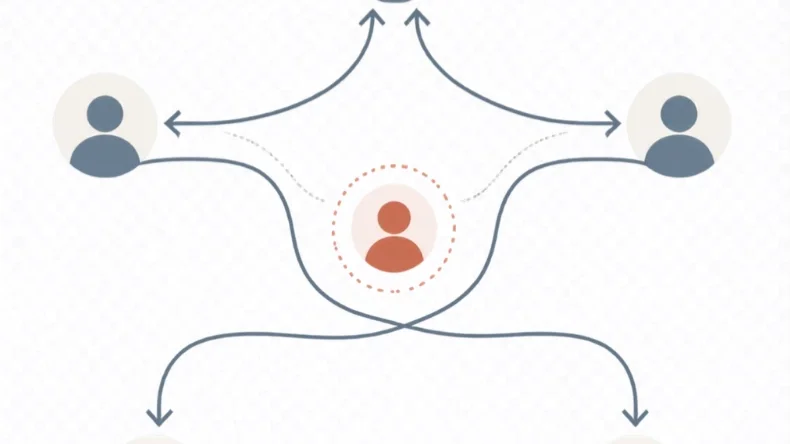
The longest relationship you have. Siblings typically precede spouses, outlast parents, and span more decades than any other relationship. When one dies, an unusually large proportion of your life loses its only other witness.
The person who remembers what you remember. This is the part bereaved siblings raise most often and rarely expect. Nobody else remembers the house, the car, the particular way your mother said a thing, the private language, the version of your childhood that was not the official one. There is now no one to check your memory against. People describe this as a specific loneliness quite separate from missing the person.
A position in the family structure. Family systems assign roles, and sibling roles are among the most durable. The responsible one, the difficult one, the peacemaker, the baby. When a sibling dies, the whole structure reorganizes and everyone's role shifts without discussion. People sometimes find themselves suddenly occupying a position they never wanted and cannot decline.
A specific relationship with mortality. Losing a parent tells you that you are next in line. Losing a sibling tells you something more unsettling, that your generation is not exempt. This lands especially hard when the sibling was close in age, and it is often the piece that arrives late, after the initial shock has passed.
Why sibling grief gets overlooked
Attention flows elsewhere. Condolences go to parents, spouses, and children. This is not malice; it is a hierarchy of assumed closeness that operates automatically and rarely gets examined.
You become support staff. Bereaved siblings are routinely absorbed into caring for devastated parents. There is a strong pull to hold it together for people who are visibly worse off and that pull is often reinforced explicitly. Many siblings report that their own grief did not begin properly until a year or more later, once the parents had stabilized.
Bereavement leave is short or absent. Many employers treat sibling loss as a lesser category than parent, spouse, or child.
Complicated relationships complicate it further. Sibling relationships carry more rivalry, comparison, and old injury than almost any other. If you were estranged, or if the relationship was difficult, the grief usually gets harder rather than simpler, you are mourning the person, the relationship you did not have, and the repair that is now impossible. Survivor guilt is also common, particularly where the death involved illness, addiction, or accident.
What helps
Name it as a primary loss. Not a secondary one, not a supporting role in your parents' tragedy. Saying this plainly to yourself is often the necessary first move, because the surrounding structure will not say it for you.
Find people who share it. The relief of speaking with other bereaved siblings is disproportionate, precisely because it is the one room where nobody asks how your parents are. The Compassionate Friends runs sibling-specific support, and our post on what a grief support group is actually like describes what to expect. Let your grief be different from your parents'. Parents grieving a child are in one of the most severe forms of bereavement there is. Your grief is real without being the same, and it does not require ranking. Families get into difficulty when grief becomes comparative.
Expect it to arrive late. If you spent the first year holding everyone else together, your own grief may surface well after everyone considers the event concluded. That is not a relapse. It is the first opening you have had.
Body-based work. Sibling grief often gets held rather than expressed, particularly by people who took the supporting role. Grief that is held tends to live in the body. Our post on grief and the body covers this.
Where to read further
The American Psychological Association provides a general overview of bereavement, though very little of the mainstream literature addresses siblings specifically, which is itself part of the problem this post describes. If the grief has been on hold while you supported your parents, the body has usually been keeping score in the meantime. Our sister practice, the Center for Mind Body Balance, offers the body-based side of that work in the same building.The role problem
There is a pattern specific to sibling loss that comes up in almost every conversation. Within days of the death, the bereaved sibling is absorbed into a support role. They handle the arrangements their parents cannot face, they field the phone calls, they become the one who checks in. It is genuinely useful work and it is also a way of having something to do with hands that would otherwise shake.
The difficulty is that the role has no end date and no obvious point at which someone relieves you of it. Parents who have lost a child are frequently unable to hold anyone else for a long time, which is not a failure on their part but does mean the surviving sibling is often supporting the people who would normally support them. Many describe grieving on a delay of months or years, and then feeling that it is too late to start.
It is not too late. Grief that surfaces eighteen months on, once the family has stabilised enough that you are no longer holding it up, is a common and expected pattern rather than a sign that something has gone wrong. It usually means the first safe opening has finally arrived.
- Notice whether you are describing your grief in terms of how your parents are doing. That habit is diagnostic.
- Say the words "I lost my brother" or "I lost my sister" rather than "my family lost". Both are true, and only one of them includes you.
- If your parents are in their own grief work, that does not mean the family has grief covered. It means the family has their grief covered.
Frequently Asked Questions
Why does nobody ask how I'm doing after my sibling died?
Condolence tends to follow an assumed hierarchy, parents, spouse, children, and siblings sit outside it despite often having the longest relationship with the person. It is rarely deliberate. It is also why bereaved siblings are called the forgotten mourners, and why many find support groups unusually helpful.
Is it normal to feel guilty for surviving?
Yes, particularly where the death involved illness, addiction, accident, or suicide, and particularly among siblings close in age. Survivor guilt is common and responds well to grief-specific clinical work. It rarely resolves through reasoning alone.
My grief feels different from my parents', is that wrong?
No. You lost a sibling; they lost a child. Those are different losses and they do not need to match or be ranked. Difficulty usually arises when families treat grief as comparative rather than parallel.
Somebody Should Ask You
If you have spent the time since the funeral being asked how everyone else is holding up, this is worth saying directly: you lost someone too, and the loss was probably larger than the people around you have registered.
You lost the person who shared the beginning of your life and the only one who remembers it the way you do. That is not a supporting role in someone else's grief.
If your own grief has been on hold while you held up your parents, and it is now surfacing at an inconvenient distance from the death, that is expected. It usually means the first safe opening has arrived, not that something has gone wrong.
A free call is fifteen minutes and costs nothing. It is also, for a lot of bereaved siblings, the first conversation in which the question is actually about them.
We see clients in person in Bergen County and across New Jersey by video.
Book a free call ·More resources
This blog post is for informational purposes only and does not constitute professional mental health advice, diagnosis, or treatment.