
You moved through the funeral somehow. The casseroles arrived and stopped arriving. The thank-you notes got written, mostly. The first month passed. The first three months. The first holiday.
And now you are sitting in a house that is the wrong size. There is one cup in the sink instead of two. The couch where you both sat is now a couch where you sit alone. You catch yourself starting to tell them something twenty times a day. The world has moved on, and you have not, and it is not clear whether you are supposed to.
The loss of a spouse is, for most people who experience it, the most disorienting grief of their adult life. It is also, despite the thousands of widows and widowers in Bergen County alone, one of the loneliest. People around you mean well. They do not know what to say. They have not lived this. So they stop saying anything.
This guide is written for you — whether you lost your partner six weeks ago or six years ago, whether the death was sudden or anticipated, whether you are 38 or 78. The grief of losing a spouse is its own kind of grief, and it deserves its own kind of support.
Why Losing a Spouse Is Its Own Kind of Grief

Most relationships in our lives — friends, parents, siblings — exist alongside us. A spouse is woven into us. The morning routine. The decision-making. The body in the bed. The way the house feels when the front door opens. The shared finances, friends, calendar, future. The thousand small choreographies of a life built with another person.
When that person dies, the grief is not just for them. It is for the entire architecture of the life you were living. Researchers call this "secondary loss," and for spousal grief, the secondary losses are vast.
Consider what is also lost when a spouse dies:
- The daily companion — the most consistent adult relationship most people have
- The co-parent — if there are children
- The financial partner — income, planning, decisions
- The social structure — couples-friends, family roles
- The future you'd planned — retirement, travel, grandchildren
- The witness to your life
- The version of yourself who existed inside this partnership
All of this gets layered on top of the grief for the person themselves. No wonder it is overwhelming. It is overwhelming.
Common experiences in the first year
Spouses are typically the most consistent emotional anchor in adult life, and their loss tends to produce a recognizable cluster of experiences:
Disorientation. A profound sense of not recognizing your own life. Many widows and widowers describe the first months as feeling like they have been dropped into a different country with no map.
Time distortion. Hours feel long. Months feel like they pass in a blur. Anniversaries — the death day, the birthday, the wedding day — hit harder than expected.
Physical symptoms. Sleep disruption, appetite changes, weight loss or gain, immune dysfunction, digestive issues, chest pressure that mimics cardiac symptoms (sometimes called "broken heart syndrome" — a real, documented physiological response to acute loss).
Decision paralysis. Things you used to handle effortlessly become impossibly hard. What to make for dinner. Whether to keep the house. Whether to keep his shirts. Many widows and widowers describe feeling as if their executive function has been rewired.
Social changes. Couple-friends often pull away — sometimes from their own grief or discomfort, sometimes because the social structure no longer fits. Family dynamics shift, sometimes in ways that surprise you. New widows and widowers report feeling invisible at exactly the moment they most need to be seen.
Identity disruption. "Who am I now?" is a question that does not feel rhetorical. The role of "wife" or "husband" is so identity-fused that its loss often feels like the loss of self.
Waves of intense emotion. Grief is rarely linear. You can be functional for weeks and then collapse over a song that comes on at the grocery store.
Unexpected feelings. Anger. Guilt. Resentment. Relief, if the death came after illness. Sometimes erotic dreams, sometimes a desire to date that you find shocking and shameful. All of this is normal. All of this is widely experienced. None of it means you didn't love them.
The Myth of 'Moving On' — and What the Research Actually Shows
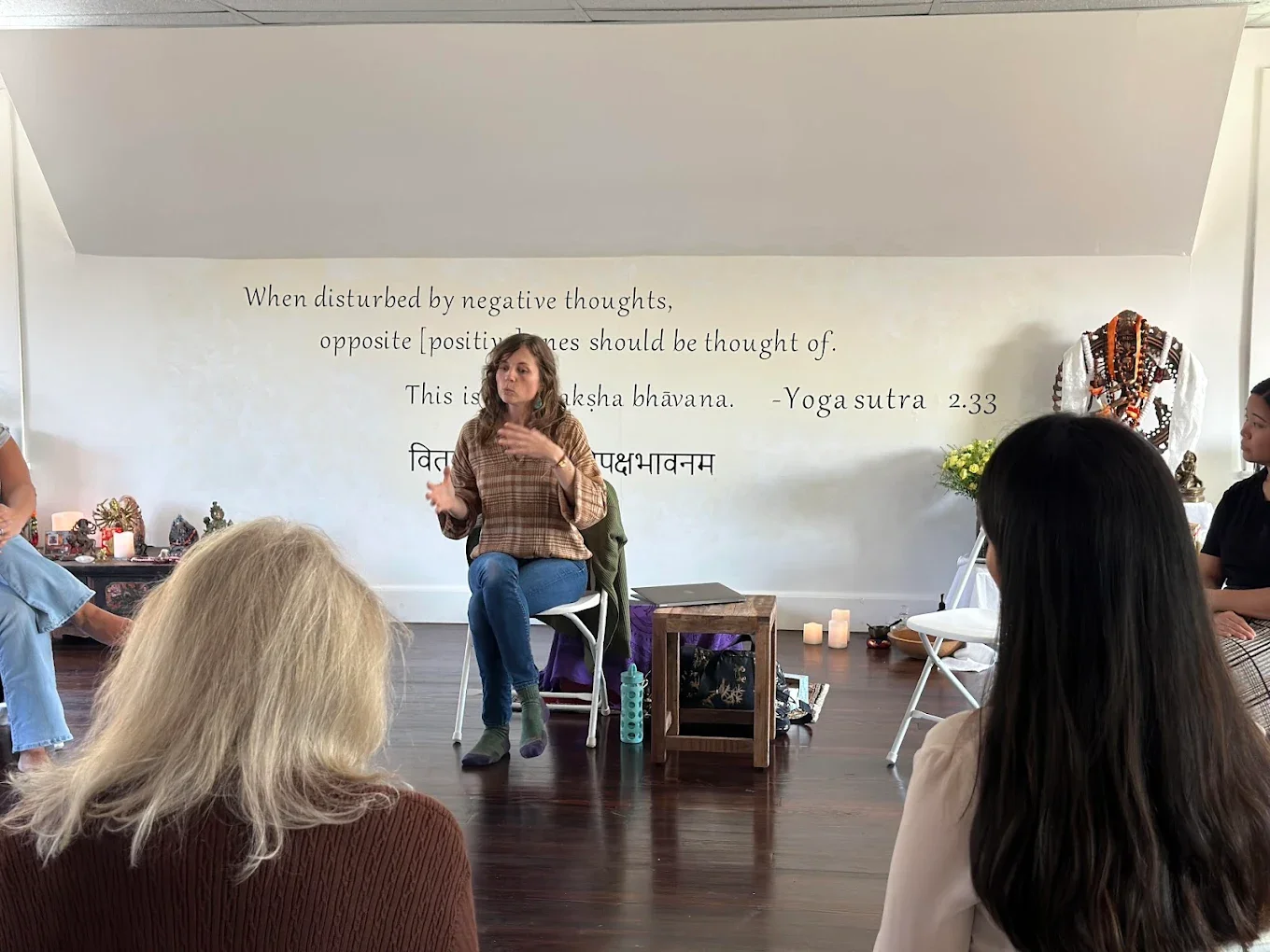
Modern American culture tends to expect spousal grief to be largely resolved within a year. This expectation is based on nothing.
The actual research — including decades of work by Dr. M. Katherine Shear at Columbia University's Center for Prolonged Grief and David Kessler's clinical practice — shows that spousal grief is one of the most variable and longest-tailed forms of grief. Many widows and widowers find that the second year is actually harder than the first. The shock has worn off. The casseroles are long gone. The world has fully moved on. And the sustained reality of the absence becomes louder, not quieter.
This is not "doing grief wrong." It is the actual shape of spousal grief for many people.
The goal is not to "move on" — a phrase that implies leaving the person behind. The goal is what David Kessler and other modern grief specialists call integration: finding ways to carry the love forward, in a life that is shaped around the loss but no longer entirely defined by it.
Spousal grief at different life stages
Spousal loss is shaped significantly by the life stage in which it occurs.
Young widowhood (under 50)
Particularly isolating. Your peers cannot relate. The death often was sudden. Children may be young. Career and financial implications are urgent. The widow or widower often becomes "the person something terrible happened to" in their social circle, which is its own injury. Organizations like Modern Widows Club have built community specifically for younger widows because the experience is so distinct.
Mid-life widowhood (50–65)
Often involves complex caregiving decisions before the death — extended illness, end-of-life care decisions, depleted savings. May involve adult children with their own grief and their own opinions. Often involves identity questions about career, retirement, and what the next twenty or thirty years will look like alone.
Older widowhood (65+)
The most statistically common form, and yet still under-supported. Often involves long marriages where the partnership had been the central organizing structure for decades. May involve health concerns of the surviving spouse. Risk of social isolation and depression is significant. AARP maintains specific resources for this demographic.
In Bergen County, all three life stages are well-represented. Towns like Wyckoff, Ridgewood, Saddle River, Mahwah, Allendale, and Ramsey have substantial older populations whose grief is often quietly underserved by general mental health providers who don't specialize in spousal loss.
Sudden vs. anticipated spousal loss
The path of grief differs depending on whether the loss came suddenly or after extended illness.
Sudden loss — heart attack, accident, stroke, suicide, overdose — often involves trauma alongside grief. The shock layer can take six to twelve months to fully dissolve. Specialized trauma-informed grief care is often essential. If you are navigating anticipatory grief before a loss, our anticipatory grief guide walks through what that experience involves.
Anticipated loss after illness brings its own complications: caregiver exhaustion that doesn't end with death, complicated emotions including relief, anticipatory grief that did or did not get processed during the illness, and sometimes a strange disorientation when the daily structure of caregiving suddenly disappears. The Hospice Foundation of America has substantial resources specifically for post-caregiving widowhood.
Both paths are valid, real, profound losses. They simply require somewhat different support.
When Spousal Grief Becomes Complicated — and What Specialized Support Looks Like

For some widows and widowers, the grief does not soften. A year passes, then two, then five, and the acute pain has not diminished. Daily life remains impaired. The loss feels as fresh as it did at the funeral.
This is what clinicians call complicated grief or Prolonged Grief Disorder (PGD), formally recognized by the American Psychiatric Association in the DSM-5-TR in 2022. According to research from the Columbia Center for Prolonged Grief, approximately 10% of bereaved people develop PGD — but the rate is substantially higher among surviving spouses.
Spousal grief carries a higher risk of becoming complicated than many other forms of grief, particularly when:
- The marriage was very long (40+ years)
- The marriage was identity-defining
- The loss was sudden or traumatic
- The widow or widower is socially isolated
- There is unprocessed trauma history
- The relationship was ambivalent or complex
The good news: complicated spousal grief responds well to specialized treatment. With the right support, even decades-old stuck grief can begin to move. You can read more in our detailed guide on complicated grief and Prolonged Grief Disorder.
What actually helps: a framework for spousal grief support
Specialized spousal grief support typically includes some combination of the following.
A trained grief specialist. General psychotherapy is not the same as grief work. Therapists specifically trained in grief — through programs like David Kessler's, Columbia's, or formal certifications — bring frameworks tailored to loss. At Grief Unbound, our founder Melanie Struble, LCSW trained directly under David Kessler and brings 33+ years of experience with spousal loss specifically. Our team also includes Wendy Coffey, LCSW (33 years of family work) and Julia Tsakalis, LCSW (IFS and Brainspotting, particularly helpful for grief tangled with trauma).
Community of other widows and widowers. Grief support groups for spousal loss are particularly powerful. The recognition of being in a room with people who actually understand changes the trajectory of grief. If you are wondering what a grief support group is actually like, our companion guide walks through it in detail.
Body-based work. Spousal grief lives heavily in the body — chest tightness, sleep disruption, exhaustion. Modalities like somatic yoga, sound healing, breathwork, and acupuncture (available through our sister practice the Center for Mind Body Balance) address what talk alone cannot reach.
Time, with support. This is the hardest part to accept. Spousal grief takes the time it takes. The work is to walk through it well, not to rush through it.
Continued connection with the deceased. Counter to outdated models, modern grief work emphasizes finding meaningful ways to maintain ongoing connection with the spouse who has died. Photos, rituals, talking out loud, places that mattered to you both. The relationship doesn't end; it changes form.
Permission for complicated emotions. The desire to date, eventually. The unexpected anger. The relief on hard days. The guilt about all of it. All normal. All allowed.
Why specialized spousal grief support is different from general therapy
Most general therapists are well-meaning but not trained in grief specifically. Many will, with the best intentions, push too hard toward "moving forward," reframe grief as depression to be treated, or simply not have the framework for the long-tail nature of spousal loss.
Group vs. individual support for spousal grief is not an either/or question. Many widows and widowers find that the most powerful support combines both. Individual therapy provides clinical depth, particularly for trauma processing or complicated grief. Group support provides something individual therapy structurally cannot: the recognition of being with others who actually understand. Most clients eventually use both.
Frequently Asked Questions About Spousal Grief Counseling in Bergen County
How long does grief last after losing a spouse?
Spousal grief has no fixed timeline. Research by Dr. M. Katherine Shear at Columbia University shows it is one of the most variable and longest-tailed forms of grief. Many widows and widowers find the second year harder than the first, once the shock has worn off and the world has moved on. The clinical goal is integration — carrying the love forward — not reaching an end date.
What is the difference between grief counseling and regular therapy for a widow or widower?
General therapists may reframe grief as depression or push toward closure before a client is ready. Grief specialists bring frameworks specific to loss — understanding secondary losses, Prolonged Grief Disorder, continuing bonds theory, and the long-tail nature of spousal grief. The difference in outcomes is significant, particularly for complicated grief or grief tangled with trauma.
Is a grief support group or individual therapy better for spousal loss?
Most widows and widowers benefit most from both combined. Individual therapy provides clinical depth, especially for trauma or complicated grief. Group support provides something individual therapy structurally cannot: recognition from others who truly understand. Starting with one and adding the other over time is a common and effective path.
Do you offer telehealth grief counseling in New Jersey?
Yes. Grief Unbound offers secure telehealth sessions throughout New Jersey for widows and widowers who prefer to work from home or who are not local to Bergen County. In-person sessions are held at 96 Allendale Road, Saddle River, NJ.
Does grief counseling for spousal loss accept insurance?
Grief Unbound operates as a private-pay practice. Many clients use out-of-network benefits to offset costs. Full details are available on our FAQ page. A free 15-minute discovery call is the easiest way to talk through what makes sense for your situation.
Beginning the Work: Your First Step Toward Spousal Grief Support
The grief of losing a spouse is real, profound, and lasting. It is also walkable, with support. You don't have to do it alone.
Here is what beginning looks like at Grief Unbound:
- A free 15-minute discovery call. You don't need to know what you want. You don't need to be ready for treatment. You just need to be willing to talk for fifteen minutes. We listen. We don't rush. We help you figure out the right starting place — group, individual, body-based, or some combination — for the specific shape of grief you are carrying.
- Choose your path. Options include individual grief therapy with a clinician trained in spousal loss, a dedicated spousal loss support circle (see our group schedule), or body-based modalities through our sister practice the Center for Mind Body Balance.
- Meet our team. Melanie Struble, LCSW (trained under David Kessler, 33+ years experience), Wendy Coffey, LCSW (33 years of family work), and Julia Tsakalis, LCSW (IFS and Brainspotting for grief tangled with trauma) — learn more at our team page.
We are based at 96 Allendale Road in Saddle River, serving Bergen County including Wyckoff, Ridgewood, Mahwah, Allendale, Ramsey, Paramus, Hackensack, Glen Rock, Fair Lawn, Ho-Ho-Kus, Waldwick, and Rockland County, NY. Secure telehealth is available throughout New Jersey.
"The goal is not to 'move on.' The goal is to carry the love forward." — David Kessler